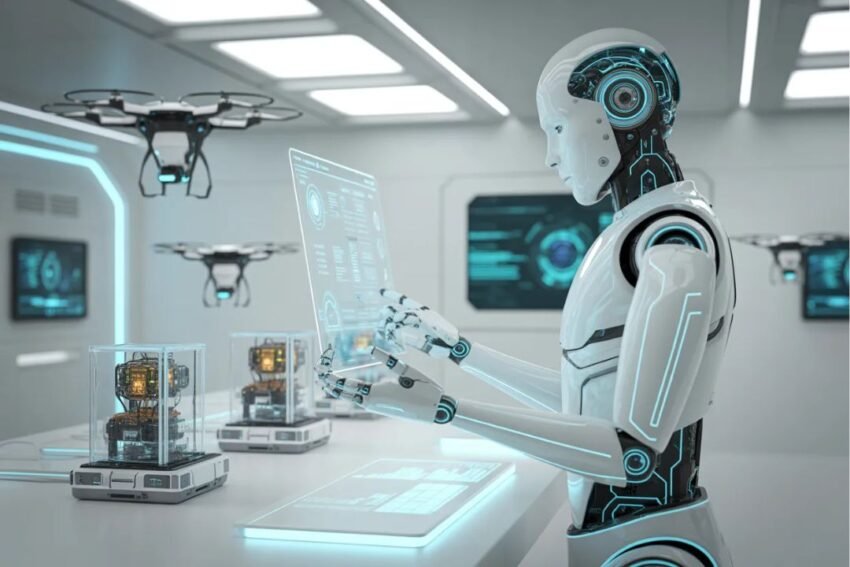
Robotics is no longer confined to factories or science fiction. In 2026, robotics technologies are transforming industries across the globe, driving efficiency, automation, and innovation. From AI-powered robots to autonomous drones, these advancements are reshaping healthcare, logistics, manufacturing, and more.
This human-written, SEO-optimized guide explores the top robotics technologies that are revolutionizing industries in 2026, with examples, applications, and emerging trends.
🚀 Why Robotics Technologies Matter in 2026
Modern robotics combines Artificial Intelligence (AI), Machine Learning (ML), the Internet of Things (IoT), and advanced sensors to create intelligent, adaptive machines.
Industries are leveraging these technologies to:
- Automate repetitive or dangerous tasks
- Improve precision and productivity
- Reduce operational costs
- Enhance safety and sustainability
In 2026, robotics is no longer just about machines—it’s about intelligent systems capable of learning, collaborating, and making decisions.
🧠 Top Robotics Technologies Transforming Industries
1. Autonomous Robots
- Definition: Robots capable of operating independently using AI, sensors, and navigation systems.
- Applications: Warehouse logistics, delivery drones, self-driving vehicles.
- Example: Amazon’s autonomous warehouse robots manage inventory efficiently without human intervention.
2. Collaborative Robots (Cobots)
- Definition: Robots designed to safely work alongside humans.
- Applications: Manufacturing, healthcare, research laboratories.
- Example: Cobots assist surgeons in hospitals and workers on assembly lines.
3. Soft Robotics
- Definition: Flexible, adaptive robots designed to handle delicate tasks.
- Applications: Prosthetics, rehabilitation, food handling, fragile product packaging.
- Example: Soft robotic gloves help patients regain mobility during physical therapy.
4. Swarm Robotics
- Definition: Multiple robots working together as a coordinated system.
- Applications: Agriculture, disaster response, environmental monitoring.
- Example: Drone swarms used for reforestation or mapping disaster-affected areas.
5. Humanoid and Service Robots
- Definition: Robots designed to mimic human appearance and behavior for interaction.
- Applications: Customer service, reception, education, eldercare.
- Example: Pepper robot in retail stores guides customers and provides information.
6. AI-Powered Industrial Robotics
- Definition: Robotics integrated with AI and ML for autonomous decision-making.
- Applications: Predictive maintenance, quality inspection, process optimization.
- Example: Smart factories use AI-driven robots for real-time defect detection on assembly lines.
🌟 Emerging Robotics Technologies
1. Edge Robotics
- Robots processing data locally instead of relying solely on cloud computing
- Benefits: Faster decision-making, reduced latency, enhanced privacy
2. IoT-Enabled Robotics
- Connected robots share data and communicate with other devices
- Applications: Smart manufacturing, logistics, and predictive maintenance
3. AI & Machine Learning Integration
- Robots learn from data to improve performance over time
- Applications: Autonomous navigation, predictive analytics, adaptive workflows
4. Advanced Sensors & Vision Systems
- 3D cameras, LiDAR, and tactile sensors improve robot perception
- Applications: Autonomous vehicles, surgical robots, warehouse robots
5. 5G Connectivity
- Enables real-time remote control of robots
- Applications: Remote surgery, autonomous drones, industrial automation
🛠️ Industry Applications of Robotics Technologies
| Industry | Robotics Technology | Example |
|---|---|---|
| Manufacturing | Cobots, AI-driven industrial robots | FANUC, Universal Robots |
| Healthcare | Surgical robots, rehabilitation exoskeletons | da Vinci Surgical System |
| Logistics & Supply Chain | Autonomous robots, drones | Amazon Robotics, DHL drones |
| Agriculture | Swarm robotics, soft robotics | Agrobot, drone fleets for precision farming |
| Retail & Customer Service | Humanoid robots, AI-powered assistants | Pepper robot, LoweBot |
| Defense & Security | Surveillance drones, bomb disposal robots | Boston Dynamics Spot, UAVs |
📈 Benefits of Robotics Technologies
- Efficiency & Productivity: Robots complete tasks faster than humans
- Safety: Dangerous tasks handled by machines
- Precision: High accuracy in manufacturing, healthcare, and research
- Cost Savings: Reduces human labor and errors
- Innovation & Adaptability: Smart robots learn and adapt to new environments
🔮 Emerging Trends in 2026
- Autonomous Delivery & Transport: Drones and self-driving vehicles replacing traditional logistics
- Human-Robot Collaboration: Cobots integrated into everyday workspaces
- Robotics-as-a-Service (RaaS): Renting robots for short-term industrial or commercial use
- Sustainable Robotics: Robots in renewable energy, environmental monitoring, and waste management
- Generative AI in Robotics: Robots designing solutions and adapting autonomously
💡 Tips for Exploring Robotics in 2026
- Start with DIY robotics kits like Raspberry Pi or Arduino
- Learn Python, ROS (Robot Operating System), and AI basics
- Experiment with AI-powered simulation platforms
- Explore IoT-connected robots for real-world applications
- Follow industry developments in autonomous vehicles, drones, and cobots
🧠 Conclusion
Robotics technologies in 2026 are transforming industries by combining AI, ML, IoT, and advanced sensors. From autonomous delivery drones to surgical assistants and collaborative cobots, these innovations increase efficiency, safety, and adaptability across sectors.
The future of robotics is intelligent, connected, and autonomous, empowering businesses and individuals to achieve tasks that were previously impossible.
✨ Final Thoughts
Understanding and leveraging robotics technologies is key for any industry in 2026. By adopting AI, IoT, and automation, companies can drive innovation, optimize operations, and improve human life.
👉 The real question is: Are you ready to embrace the robotics revolution transforming industries in 2026?
I can also create a Visual Map of Top Robotics Technologies in 2026, showing applications, tools, and industry impact in an easy-to-understand infographic style.
Do you want me to make that next?