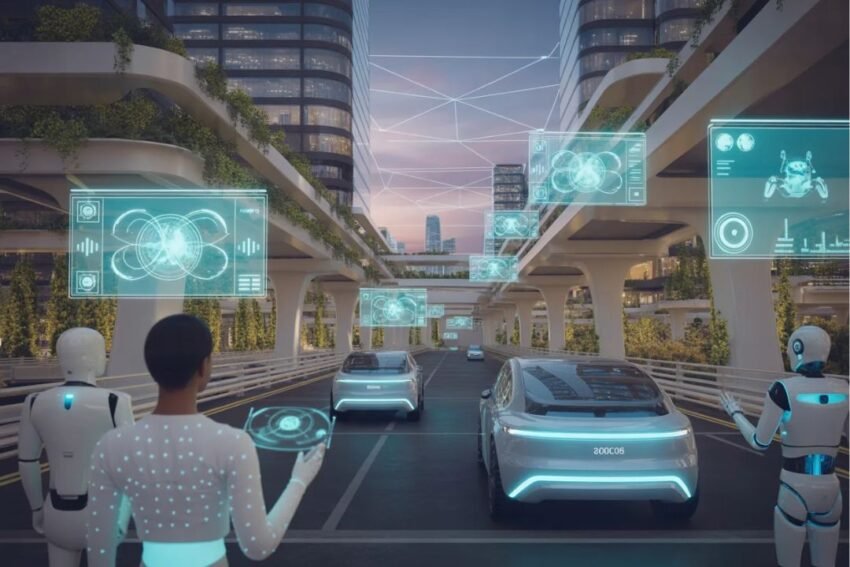
The future is no longer something we only imagine—it is something we are actively building. Across the globe, rapid advancements in technology are reshaping how we live, work, and interact with our surroundings. From intelligent urban infrastructure to highly capable robots and automated systems, the next generation of innovations will transform everyday life in ways that feel both exciting and deeply impactful.
In this SEO-optimized, human-written article, we explore how smart cities, robotics, and automation will redefine daily living and shape the future of humanity.
The Rise of Smart Cities
Smart cities are at the heart of future innovation. These cities use advanced technologies such as sensors, data analytics, and connectivity to improve efficiency, sustainability, and quality of life.
What Makes a City “Smart”?
A smart city integrates multiple systems to function seamlessly, including:
- Traffic and transportation
- Energy and utilities
- Waste management
- Public safety
Through real-time data collection and analysis, cities can make intelligent decisions automatically.
Key Features of Smart Cities
1. Intelligent Traffic Management
Traffic congestion is one of the biggest challenges in urban areas. Smart traffic systems use AI and sensors to monitor road conditions and optimize traffic flow.
- Reduced travel time
- Lower fuel consumption
- Fewer accidents
2. Smart Energy Systems
Energy usage will become more efficient through smart grids and renewable energy integration.
- Automated energy distribution
- Reduced electricity waste
- Increased use of solar and wind power
3. Smart Waste Management
Waste systems will become automated and efficient.
- Sensors in bins to track fill levels
- Optimized collection routes
- Recycling automation
4. Enhanced Public Safety
AI-powered surveillance and emergency response systems will improve safety.
- Faster emergency response
- Crime prediction and prevention
- Better disaster management
Impact on Everyday Life:
Residents will enjoy cleaner, safer, and more efficient urban environments, where many daily processes run automatically in the background.
Robotics: Transforming Human Activities
Robots are no longer limited to factories. They are becoming a part of everyday life, assisting humans in various tasks with increasing intelligence and precision.
Types of Robots in Daily Life
1. Service Robots
Service robots will assist in homes, offices, and public places.
- Cleaning robots
- Delivery robots
- Customer service assistants
2. Healthcare Robots
Robots will revolutionize healthcare by assisting doctors and caring for patients.
- Surgical robots for precision operations
- Elderly care robots
- Rehabilitation assistance
3. Industrial Robots
Factories will rely heavily on advanced robots for production.
- Faster manufacturing
- Reduced human error
- Increased efficiency
Impact on Everyday Life:
Robots will reduce workload, save time, and improve quality of services. However, they will also require humans to adapt and learn new skills.
Automation: The Backbone of Future Living
Automation refers to the use of technology to perform tasks with minimal human intervention. It is already present in many aspects of life, but its future potential is enormous.
Areas Where Automation Will Dominate
1. Home Automation
Smart homes will become more advanced and intuitive.
- Voice-controlled devices
- Automated lighting and temperature control
- Smart security systems
2. Workplace Automation
Businesses will rely on automation to improve efficiency.
- Automated data processing
- AI-driven decision-making
- Streamlined workflows
3. Retail and E-Commerce
Shopping experiences will become faster and more personalized.
- Automated checkouts
- AI recommendations
- Drone deliveries
Impact on Everyday Life:
Automation will simplify daily tasks, allowing people to focus on more meaningful and creative activities.
The Integration of Smart Cities, Robots, and Automation
The true power of future innovation lies in the integration of these technologies. Smart cities, robotics, and automation will not function independently—they will work together to create a fully connected ecosystem.
How They Work Together
- Robots will operate within smart city infrastructure
- Automated systems will manage urban services
- AI will connect and optimize everything in real time
For example:
- A smart traffic system can communicate with autonomous vehicles
- Delivery robots can navigate efficiently using city data
- Automated energy systems can adjust based on usage patterns
Result:
A seamless, intelligent environment where everything works together to improve human life.
Benefits of These Innovations
1. Increased Efficiency
Tasks that once took hours will be completed in minutes or even seconds.
2. Improved Quality of Life
People will experience less stress and more convenience in daily activities.
3. Environmental Sustainability
Smart systems will reduce waste and optimize resource usage.
4. Economic Growth
New industries and job opportunities will emerge around these technologies.
Challenges and Concerns
Despite their advantages, these innovations also bring challenges that must be addressed.
1. Job Displacement
Automation may replace certain types of jobs, requiring workforce adaptation.
2. Privacy Issues
Smart systems rely on data, raising concerns about personal privacy and security.
3. High Implementation Costs
Building smart infrastructure requires significant investment.
4. Ethical Considerations
The use of AI and robotics must be guided by ethical standards to prevent misuse.
The Future Outlook
By 2035 and beyond, these technologies will become a natural part of everyday life. Cities will operate like intelligent systems, robots will assist in daily tasks, and automation will handle routine processes.
People will spend less time on repetitive work and more time on creativity, innovation, and personal growth.
Conclusion
Future innovations in smart cities, robotics, and automation are set to transform everyday life in remarkable ways. These technologies will create environments that are more efficient, sustainable, and responsive to human needs.
While challenges exist, the potential benefits far outweigh the risks. By embracing these innovations responsibly, we can build a future that enhances human life on every level.