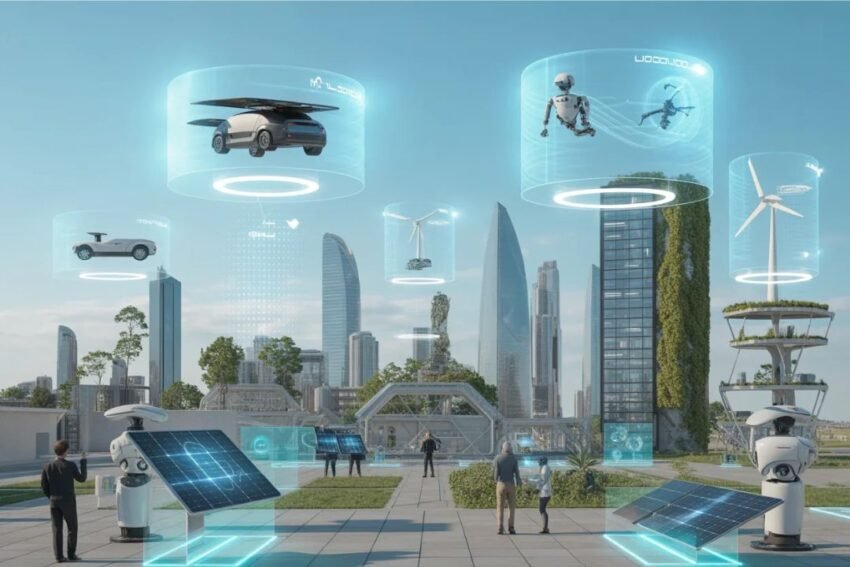
The future is no longer a distant concept—it is unfolding right before our eyes. Rapid advancements in science and technology are transforming industries, redefining human capabilities, and opening doors to possibilities once limited to imagination. From artificial intelligence to space exploration, the next wave of innovation promises to reshape human life in profound ways.
In this in-depth, SEO-optimized article, we explore the most powerful future innovations coming soon, their real-world applications, and how they will impact our world by the next decade and beyond.
The Era of Artificial Intelligence Dominance
Artificial Intelligence (AI) is leading the technological revolution. But the future goes far beyond today’s chatbots and automation tools. The next generation of AI will be more autonomous, adaptive, and intelligent.
What’s Coming:
- AI systems capable of independent decision-making
- Advanced natural language understanding
- AI-driven scientific discoveries
AI will not only assist humans but also collaborate with them in solving global challenges like climate change, healthcare, and resource management.
Impact on Society:
AI will significantly boost productivity, reduce human error, and transform industries such as healthcare, finance, and education. However, it will also require new policies to address ethical concerns and job displacement.
Quantum Computing: Unlocking Unimaginable Power
Quantum computing is set to revolutionize how we process information. Unlike traditional computers, quantum machines use quantum bits (qubits) that allow them to perform complex calculations at extraordinary speeds.
Key Benefits:
- Solving problems that are currently impossible
- Accelerating drug discovery and material science
- Enhancing cybersecurity (and challenging current encryption methods)
Impact:
Quantum computing will change everything from banking systems to scientific research, creating opportunities and risks in equal measure.
Biotechnology and Genetic Engineering
The future of medicine lies in biotechnology. Innovations in genetic engineering are enabling scientists to modify DNA, prevent diseases, and even enhance human capabilities.
Emerging Trends:
- Gene editing technologies for curing genetic disorders
- Lab-grown organs for transplantation
- Personalized medicine based on DNA
Impact:
Healthcare will become more preventive than reactive, improving life expectancy and quality of life.
Brain-Computer Interfaces: Connecting Mind and Machine
Brain-Computer Interfaces (BCIs) are among the most fascinating innovations. These systems allow direct communication between the human brain and external devices.
Future Applications:
- Controlling devices with thoughts
- Restoring mobility for paralyzed individuals
- Enhancing cognitive functions
Impact:
BCIs could revolutionize healthcare and redefine human interaction with technology, blurring the line between biology and machines.
Autonomous Transportation Systems
Transportation is undergoing a major transformation. Self-driving vehicles and intelligent transport systems will soon become the norm.
Innovations Include:
- Fully autonomous cars and trucks
- Smart traffic management systems
- Drone-based delivery services
Impact:
Safer roads, reduced congestion, and more efficient logistics will improve daily life and global commerce.
Renewable Energy and Sustainability
As the world faces environmental challenges, clean energy innovations are becoming essential for a sustainable future.
Key Developments:
- High-efficiency solar and wind energy systems
- Advanced battery storage technologies
- Hydrogen fuel as a clean alternative
Impact:
Reduced carbon emissions and a cleaner planet will help combat climate change and ensure long-term sustainability.
The Rise of Smart Cities
Smart cities represent the future of urban living. Powered by data and connectivity, these cities will optimize resources and improve quality of life.
Features of Smart Cities:
- Intelligent traffic systems
- Smart energy grids
- Automated waste management
Impact:
Urban environments will become more efficient, sustainable, and livable.
Augmented Reality and Virtual Reality
AR and VR technologies are transforming how we interact with digital environments.
Future Uses:
- Immersive education and training
- Virtual workplaces
- Enhanced entertainment experiences
Impact:
These technologies will blur the boundary between physical and digital worlds, creating new ways to learn, work, and socialize.
Advanced Robotics and Automation
Robots are becoming smarter, more flexible, and more capable of performing complex tasks.
Applications:
- Healthcare robots assisting in surgeries
- Industrial automation
- Personal service robots
Impact:
Increased productivity and efficiency, but also a shift in job markets requiring new skills and training.
Space Technology: The Next Frontier
Space exploration is entering a new era. With advancements in rocket technology and increased investment, humanity is preparing to expand beyond Earth.
Upcoming Innovations:
- Human missions to Mars
- Lunar bases for research and habitation
- Space tourism and commercial space travel
Impact:
Space technology will open new economic opportunities and expand our understanding of the universe.
The Convergence of Technologies
One of the most powerful aspects of future innovation is the convergence of multiple technologies. AI, biotechnology, robotics, and data science will work together to create solutions that are more powerful than any single technology alone.
Examples:
- AI-powered healthcare diagnostics
- Smart farming using IoT and robotics
- Autonomous systems powered by real-time data
Impact:
This convergence will accelerate innovation and create entirely new industries.
Challenges and Ethical Considerations
While these innovations bring incredible opportunities, they also come with challenges.
Key Issues:
- Data privacy and security
- Ethical use of AI and genetic technologies
- Economic inequality and job displacement
Addressing these concerns will be crucial to ensuring that technological progress benefits everyone.
Conclusion
From artificial intelligence to space technology, the future is filled with powerful innovations that will reshape human life. These technologies will not only improve efficiency and convenience but also expand the boundaries of what humanity can achieve.
The coming years will be defined by how we adopt, regulate, and integrate these advancements into our daily lives.
Final Thoughts
The future is being built today through innovation, research, and human imagination. As these technologies continue to evolve, they will create a world that is smarter, more connected, and full of opportunities.
To thrive in this new era, individuals and businesses must stay informed, adapt quickly, and embrace change. Because in the end, the most powerful innovation is not technology itself—but how we use it to shape a better future.